
Brunei, a small but wealthy nation on the island of Borneo, owes much of its prosperity to oil and natural gas. Hydrocarbons account for more than 90% of its exports and around ¾ of government revenues, allowing the state to fund generous social programs and maintain one of the highest per capita incomes in Southeast Asia. They discovered oil in Brunei in the early 20th century, which set the stage for the country’s rapid development and wealth accumulation. Because of oil revenues, Brunei is able to provide almost free healthcare, and subsidize things so heavily that oil-derived products are sometimes cheaper than everyday items like bottled water.
Brunei’s heavy reliance on oil has made its economy vulnerable to price fluctuations, resource limits, and workforce dependency, leading to revenue declines, fiscal deficits, and weak private-sector growth. This dependence on a single resource heightens exposure to external shocks and complicates long-term development, underscoring the urgent need for diversification.
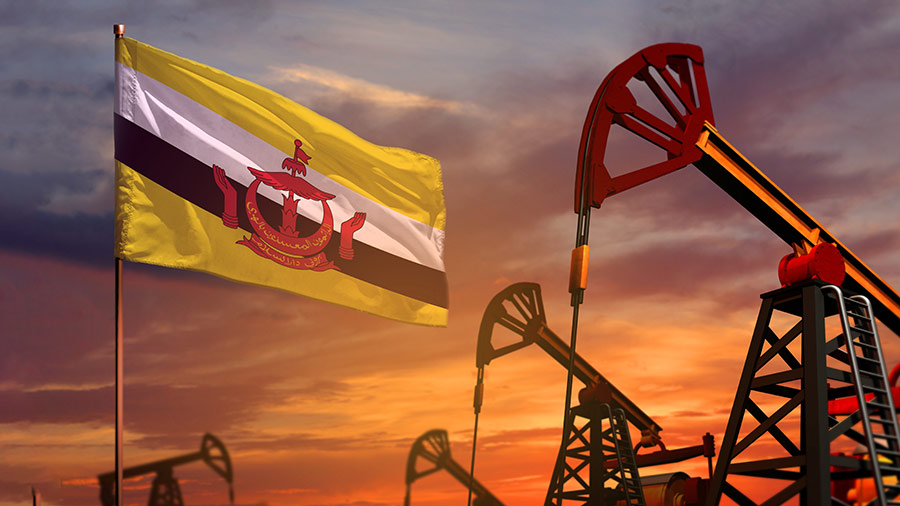
Photo: AseanBriefing
Having acknowledged the concerns, the government launched the Wawasan Brunei 2035 in 2008 with a long-term goals: its people will be educated, highly skilled, and accomplished; its quality of life will be among the best in the world; and its economy will be dynamic, sustainable, and less reliant on oil and gas. The key strategies include improving infrastructure, encouraging foreign direct investment, growing MSMEs (Micro, Small, and Medium Enterprises) across sectors like agriculture, halal manufacturing, tourism, telecommunication, and financial services. For example, the RKN-12 initiative rolls out a B$4 billion development plan focused on upgrading infrastructure (schools, hospitals, housings, railroad, etc.). Another key strategy has been to draw FDI into sectors beyond oil and gas, with Brunei offering incentives through the BEDB (Brunei Economic Development Board), streamlining business regulations, and supporting investors via DARe (Darussalam Enterprise) to foster diversification and growth.
Despite these initiatives, Brunei faces significant challenges. The country remains heavily reliant on hydrocarbons, with oil and gas accounting for approximately 50.3% of GDP as of mid-2024. Its long-term development is restricted by underlying structural and policy issues, including a narrow domestic market, rigid labor dynamics, and administrative inefficiencies.
Many challenges lie ahead, but through Wawasan 2035, RKN12, and initiatives to attract foreign investment, we believe that Brunei is actively diversifying itself. The country’s future success will depend on translating these policies into sustainable, broad-based economic growth beyond hydrocarbons.